Rubbish collection for Highbury businesses on Highbury Grove
Posted on 06/06/2026
Rubbish collection for Highbury businesses on Highbury Grove: a practical local guide
If you run a shop, office, cafe, studio, or small trade business near Highbury Grove, rubbish has a way of building up quietly and then all at once. A few cardboard boxes here, a broken chair there, the odd sack of packaging, and suddenly the back room looks more like a holding bay than a workspace. That is exactly where rubbish collection for Highbury businesses on Highbury Grove becomes more than a convenience. It keeps your premises tidy, helps staff work safely, and saves you from last-minute scrambles when waste starts getting in the way.
This guide explains how local business rubbish collection works, what to expect, which mistakes to avoid, and how to choose the right approach for your premises. You will also find a checklist, a comparison table, and a few straight-talking tips from real-world experience. Nothing fluffy. Just the practical stuff that helps you make a sensible decision.
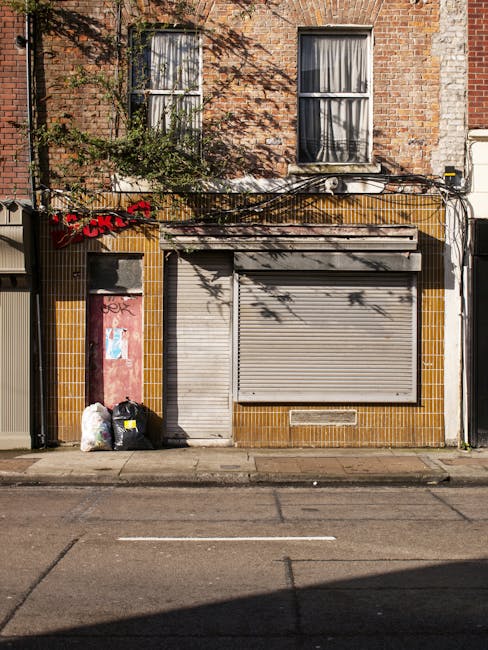
Why Rubbish collection for Highbury businesses on Highbury Grove Matters
Highbury Grove is busy in the way many London roads are busy: not chaotic, but never quite still. Businesses here often operate in compact spaces, with limited storage, frequent deliveries, and little room for waste to sit around. That makes rubbish collection a daily operational issue, not an afterthought.
For a business, unmanaged waste can spill into several areas at once. It can create trip hazards, attract pests, make a customer-facing area look untidy, and slow down staff who have to step around boxes or bags just to get on with the day. In a restaurant, the smell of food waste can turn unpleasant quickly. In an office, old desks, monitor boxes, and archive bags can swallow valuable floor space. In a shop, packaging and broken stock can pile up fast after a delivery day. Truth be told, waste has a habit of multiplying when nobody is watching.
There is also the local image factor. On a street like Highbury Grove, presentation matters. Clean frontages, clear access, and orderly storage send a strong signal to clients, suppliers, and staff. That is one reason many businesses choose a structured service instead of trying to manage occasional clear-outs themselves.
If your business needs a broader solution beyond general collections, it may help to look at commercial waste removal in Highbury as part of a fuller waste plan, especially where regular pickups and mixed waste types are involved.
How Rubbish collection for Highbury businesses on Highbury Grove Works
Most business rubbish collections follow a straightforward process, although the details vary depending on the type and amount of waste. A typical arrangement starts with assessing what needs removing: general rubbish, office clear-out items, packaging, old furniture, or specialist loads such as white goods or builders' waste. Once the waste type is clear, collection can be scheduled for a convenient time.
For many Highbury Grove businesses, the most useful setup is one that fits around trading hours. That might mean early morning collection before customers arrive, a lunchtime slot if access is easy, or an evening pickup after the shutters come down. The aim is simple: remove waste without disrupting the working day. Simple enough on paper. In practice, timing is often where the difference is made.
Good rubbish collection also includes loading, safe handling, and suitable disposal or recycling. A reliable provider should be able to explain how items will be sorted, what can be reused or recycled, and whether any waste needs separate treatment. That matters because not all business waste is the same. Cardboard, office furniture, broken appliances, and construction debris all travel through different routes.
Where a job includes mixed materials or a larger clear-out, it can be useful to compare your options against broader waste removal services in Highbury. That gives you a better sense of whether you need a one-off collection, a recurring arrangement, or a full premises clearance.
Key Benefits and Practical Advantages
The main benefit is obvious: less mess. But the real value goes deeper than that. When waste is handled properly, your business tends to feel calmer and more organised. Staff can move more freely. Customers see a cleaner environment. Managers spend less time worrying about what to do with the growing pile at the back. Small win, but an important one.
Here are the practical advantages that usually matter most to Highbury Grove businesses:
- Better use of space: Waste is removed before it takes over storage or work areas.
- Improved safety: Fewer trip hazards, less clutter, and cleaner access routes.
- Less disruption: Scheduled pickups reduce downtime and avoid emergency clear-outs.
- Cleaner presentation: A tidy premises supports customer confidence and staff morale.
- More responsible disposal: Recyclable materials can be separated instead of thrown into general waste.
- Scalable support: You can usually adjust the service as your waste volume changes.
There is also a financial angle. Not in the dramatic sense, but in the steady, everyday sense of not paying staff to move rubbish around, not losing usable space to clutter, and not letting minor waste problems turn into larger ones. A broken chair kept for six weeks because "we might sort it later" is not free. It is just delayed cost, really.
If your business wants to improve recycling habits at the same time, it may be worth reading about recycling and sustainability and the benefits of recycling. The practical point is not to be perfect. It is to avoid wasting materials that could be handled more responsibly.
Who This Is For and When It Makes Sense
This kind of service is useful for a wider range of businesses than people sometimes assume. It is not just for big offices or renovation projects. In fact, some of the most common users are smaller businesses with limited storage and frequent waste turnover.
It makes sense if you run:
- a cafe, takeaway, deli, or hospitality venue
- a retail unit dealing with packaging, stock rotation, or display changes
- an office, agency, or shared workspace
- a studio, clinic, salon, or professional practice
- a workshop, trade base, or small contractor's yard
- a property management office handling vacant units or tenant clear-outs
It also makes sense if you are between leases, fitting out a new unit, clearing storage, or preparing for an inspection, move, or refit. Businesses on Highbury Grove often operate in buildings where access is tight and waste storage is limited, so waiting until the pile becomes unmanageable is rarely a good plan.
One local detail worth mentioning: if your premises sit near residential buildings or shared access areas, timing and noise matter. A service that can work efficiently and quietly early in the day is often easier for everyone involved. Nobody wants a line of bins blocking a doorway at 8:30 a.m. while people are trying to open up.
For businesses that also host events, pop-ups, or private functions, the waste plan may need to flex around busy evenings. If that sounds familiar, you may find some useful context in event spaces in Highbury, because venue turnover and clearance needs often overlap more than people expect.
Step-by-Step Guidance
If you are arranging rubbish collection for the first time, keep it simple. A clean process usually beats an elaborate one. Here is a practical way to approach it.
- Identify the waste type. Separate general rubbish, cardboard, office items, furniture, appliances, and any heavier or awkward materials.
- Estimate the volume. Is it a few bags, half a van load, or a full clearance? A rough estimate is enough to begin with.
- Check access. Make a note of stairs, parking limits, loading bays, narrow entrances, and any timing restrictions.
- Sort reusable or recyclable materials. This can reduce what needs to go into general waste and may improve efficiency.
- Choose the right service type. A small ad hoc pickup is not the same as a recurring collection or a full office clearance.
- Book a convenient slot. Try to align the collection with a quieter time in your trading day.
- Prepare the waste in advance. Bag loose items, flatten cardboard, and place larger items where they can be loaded safely.
- Confirm what happens next. Ask how the waste will be handled, what can be recycled, and whether any paperwork or records are provided.
That last step is often overlooked. Yet it is one of the most useful. If you are paying for rubbish collection, you should know where the waste is going and how it is being managed. No need to be suspicious, just sensible.
For more detailed service planning, the site's services overview is a helpful starting point, and the pricing and quotes page can help you think through budgeting before you book.
Expert Tips for Better Results
After enough business clearances, a few patterns become obvious. The jobs that go smoothly are usually the ones that have been prepared properly. The messy, stressful jobs? They often start with "we thought we could just leave everything in the back room." Spoiler: that back room becomes the problem.
1. Keep a simple waste routine
Set a fixed habit for flattening cardboard, separating reusable items, and moving waste into a designated holding area. A five-minute routine at the end of the day can save you a much bigger headache later.
2. Don't mix everything together
Mixed loads are harder to handle and can be more expensive to process. Separate furniture, packaging, food waste, and electronics where you can. Even a basic sorting system makes a difference.
3. Time collections around trading peaks
If your busiest period is 11 a.m. to 2 p.m., don't book a collection that blocks access or creates noise then. Early or late slots are often easier. Slightly boring advice, yes, but it works.
4. Plan for bulky items before they become urgent
Old sofas, desks, filing cabinets, and broken appliances are easy to ignore until they are in the way. If you know they are on the way out, book them sooner rather than later. If you need help with larger items, furniture disposal in Highbury and appliance disposal are useful related services.
5. Think about the next reset, not just the current mess
Many businesses only arrange rubbish collection when things are already crowded. A better habit is to think one clearance ahead. That way, your storage, layout, and collection timings stay under control instead of chasing the problem after the fact.
Also, a small human note: if your waste area smells odd, that is your sign. Do not wait for it to become a whole atmosphere.

Common Mistakes to Avoid
Most rubbish collection problems are avoidable. They usually come down to planning, communication, or misunderstanding what can and cannot be included. Here are the big ones.
- Leaving waste until the last minute: This turns a manageable job into a rush job.
- Underestimating volume: A "small pile" can turn into a full load once it is gathered properly.
- Ignoring access issues: Tight stairwells, restricted parking, and loading constraints can delay collections.
- Mixing bulky and general waste: Some items need separate handling or take more time to remove safely.
- Forgetting about recycling: Cardboard, metal, and some furniture parts should not be treated like random rubbish.
- Choosing purely on speed: Fast is useful, but not if the provider cannot explain what happens to the waste.
One common misunderstanding is assuming every collection is the same. It is not. A handful of sacks from a storeroom is one thing. An office full of desks, monitors, and filing cabinets is another entirely. The more clearly you describe the job, the less likely it is to go sideways. Amazing how often that tiny point saves time.
Tools, Resources and Recommendations
You do not need a complicated system to manage business waste well. A few simple tools and habits are usually enough.
- Labelled bins or sacks: Keep general waste, cardboard, and mixed recyclables separate where possible.
- A basic waste log: Helpful for tracking recurring collections, bulky item removals, and repeat problem areas.
- Measured storage space: Know how much waste your holding area can realistically take before it becomes a bottleneck.
- Photographs before collection: Useful if you need to brief a provider on volume or access conditions.
- Clear internal responsibilities: Someone should know who requests collection, who checks access, and who signs off the job.
If you are choosing between regular waste pickups and one-off clearances, the right option depends on your waste pattern rather than guesswork. An office that throws out packaging and paper every week needs a different arrangement from a shop doing a seasonal refurb. For business premises with admin-heavy operations, office clearance in Highbury can be a useful reference point for larger or periodic clear-outs.
You may also want to review insurance and safety and about us if you are checking how a provider approaches risk, handling, and service standards. A little due diligence goes a long way, especially when waste moves through shared building entrances or tight rear access.
Law, Compliance, Standards, or Best Practice
Business waste in the UK needs to be handled carefully. You do not need to become a compliance expert overnight, but you do need to make sure your waste is being collected by a legitimate operator and handled responsibly. That means checking that your provider works in line with recognised waste carrier requirements and good industry practice.
For business owners, the safest approach is to keep things simple and documented. Know what waste you are producing, know who is taking it away, and keep your collection arrangements clear. If a provider cannot explain how they handle waste, that is a red flag. If they can explain it plainly, even better. Clarity beats cleverness here.
It is also wise to separate out materials that have a stronger recycling route or require special handling. Electronics, appliances, office furniture, wood, cardboard, and some construction waste should not all be treated the same way. A responsible service should be able to guide you on that without overcomplicating the conversation.
For a fuller view of standards, documentation, and trust signals, the page on waste carrier licence and compliance is worth reading. If your business cares about ethical sourcing and workplace expectations more broadly, you may also find the site's modern slavery statement relevant as part of your supplier checks. And of course, it is sensible to understand basic terms and conditions before booking any recurring service.
Options, Methods, or Comparison Table
There is more than one way to deal with business rubbish, and the right option depends on volume, timing, and the kind of waste you produce. Here is a practical comparison.
| Option | Best for | Strengths | Limitations |
|---|---|---|---|
| Regular business rubbish collection | Ongoing waste generation | Predictable, tidy, low disruption | Less flexible for sudden bulky jobs |
| One-off rubbish pickup | Occasional clear-outs or seasonal jobs | Quick to arrange, useful for spikes in waste | Can be less efficient for repeated waste |
| Full commercial clearance | Move-outs, refits, closures, or major decluttering | Covers mixed loads and larger items | Needs more planning and access coordination |
| Self-managed disposal | Very small amounts of waste | Simple if volume is tiny | Time-consuming and awkward for bulky items |
For most Highbury Grove businesses, the best choice is a mix of regular collection and occasional one-off support. That gives you enough flexibility without turning waste management into a full-time hobby. Nobody wants that, let's be honest.
If you need to move stock, fixtures, or storage items as part of the same job, furniture removal in Highbury may be the more practical route. For businesses with garden-facing premises, yards, or outdoor areas, garden waste removal can also fit into a broader clearance plan.
Case Study or Real-World Example
Picture a small design studio on or near Highbury Grove. The team works in a compact office, receives frequent deliveries, and keeps sample boards, packaging, damaged furniture, and archived materials in a storage corner that gradually becomes impossible to ignore. At first, the waste just looks inconvenient. Then a project deadline arrives, a courier needs access, and the storage corner starts affecting the workflow.
Instead of trying to solve it with a few ad hoc bin runs, the studio arranges a targeted collection. Cardboard gets flattened and separated. Broken office chairs and a tired desk are set aside. Unused packing materials are bundled together. Because access was checked in advance, the team does not waste time on the day figuring out where anything should go.
The result is not dramatic, but it is immediate. The office feels larger. Staff stop stepping around clutter. The client-facing space looks more polished. And, perhaps most importantly, the team does not have to keep thinking about the pile in the corner every time somebody walks past it. That mental relief is real. You feel it in the room.
That same pattern shows up in shops, cafes, and small professional practices. The issue is rarely the waste itself. It is the delay in dealing with it.
Practical Checklist
Use this checklist before booking rubbish collection for your business on Highbury Grove.
- Have I identified the main waste types?
- Do I know roughly how much needs to be removed?
- Have I checked access, parking, stairs, and loading points?
- Have I separated recyclable materials where possible?
- Are bulky items grouped together and ready to load?
- Have I chosen a time that will not disrupt trading?
- Do I understand any special handling needs for appliances or furniture?
- Have I confirmed what happens to the waste after collection?
- Do I know whether this is a one-off job or something that should recur?
- Have I reviewed the provider's service details and compliance information?
Expert summary: The best rubbish collection setup is the one that matches your actual waste pattern, your access conditions, and your trading hours. Simple, well-timed, and documented usually beats complicated every time.
For further practical planning, it can help to compare your needs with domestic waste collection in Highbury if your business also operates from a live-work space, or with builders' waste disposal if you are fitting out or refurbishing premises. And if the job is urgent, the guide on same-day rubbish removal in Highbury Fields and N5 may be helpful context for fast-moving situations.
Get a free quote today and see how much you can save.
Conclusion
Rubbish collection for Highbury businesses on Highbury Grove is really about keeping your operation calm, safe, and easy to run. The right setup gives you more space, less disruption, and a cleaner impression for everyone who walks through the door. It also helps you stay on top of the less glamorous side of running a business, which, to be fair, matters just as much as the exciting bits.
Whether you need a one-off pickup, a periodic collection, or support with larger items, the smartest move is to plan before the waste turns into a problem. Once you get that rhythm right, everything becomes easier. A bit less clutter. A bit more breathing room. And usually, a much nicer Monday morning.
For businesses that want a tidy, dependable way forward, a well-organised collection plan is one of those small decisions that quietly improves everything else.