Highbury skip alternatives cheap rubbish removal for flats
Posted on 08/07/2026
Highbury Skip Alternatives Cheap Rubbish Removal for Flats: A Practical Local Guide
If you live in a Highbury flat, you probably already know the problem: bulky rubbish appears out of nowhere, stairs are narrow, lift space is limited, and a skip outside the building feels like a headache waiting to happen. That is where Highbury skip alternatives cheap rubbish removal for flats comes in. It is a smarter way to clear clutter without paying for a full skip you may not need, or dealing with the awkward logistics that come with communal entrances, permit concerns, and parking pressure.
In this guide, you will find the most sensible alternatives, how they work, what they cost in practice, and how to avoid the usual mistakes. We will also cover local considerations for flats in Highbury and the wider Islington area, so you can choose a service that is affordable, practical, and tidy. Let's face it, nobody wants a corridor full of broken furniture and a neighbour complaining before lunch.
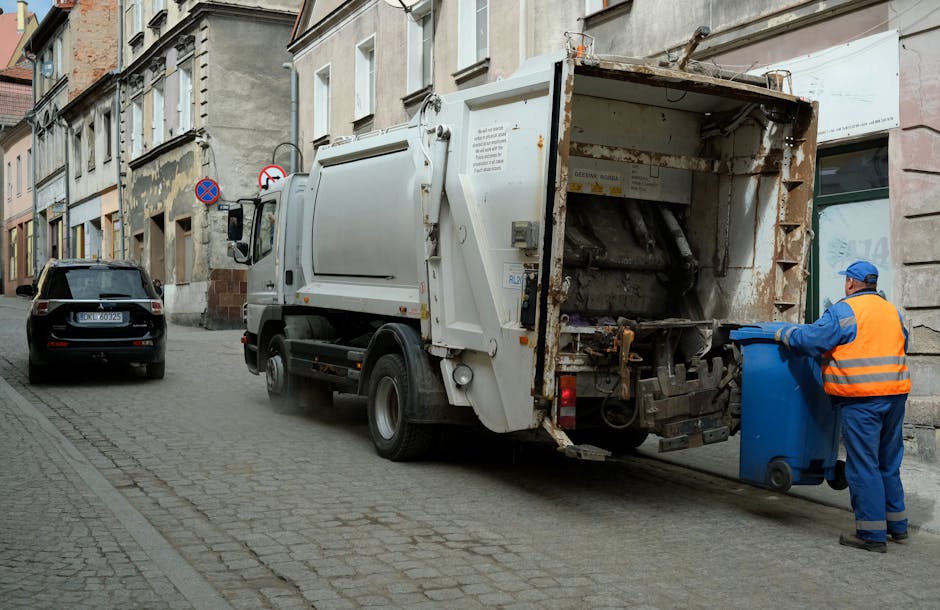
Why Highbury Skip Alternatives Cheap Rubbish Removal for Flats Matters
Flats create a different waste challenge from houses. Space is tighter, access is slower, and shared buildings introduce a few extra moving parts. A skip can work for some jobs, but for many flat clearances it is simply not the most efficient option. You may end up paying for unused capacity, juggling permit issues, or blocking a shared driveway that everyone needs.
That is why alternative rubbish removal methods matter. They let you match the service to the actual amount of waste you have. A few bags from a declutter? A mattress, wardrobe, and a pile of packaging after a move? A cheaper, more flexible collection can be the difference between a quick tidy-up and a stressful weekend of dragging rubbish down stairs.
There is also the neighbour factor. In apartment buildings, you are never only dealing with your own convenience. You are working around shared hallways, lifts, loading bays, and sometimes building rules that are stricter than people expect. If you are curious about how local living shapes these decisions, the local context in this Highbury area guide gives a good sense of why practical, low-disruption services tend to suit flats so well.
For many residents, cheap rubbish removal is not about cutting corners. It is about choosing the right tool for a smaller, more awkward space. That is a very different thing.
How Highbury Skip Alternatives Cheap Rubbish Removal for Flats Works
At its simplest, the process is collection-based rather than container-based. Instead of placing a skip outside your building for days, waste is loaded and removed in a shorter visit. The service is usually priced by volume, weight, item type, or load size, depending on the provider and the kind of waste involved.
For flats, this model suits reality. A team can collect from a front door, hallway, lift lobby, or designated loading point, then remove the rubbish in one trip. If access is tight, the collection is often timed to minimise disruption. This is particularly useful where a skip would sit awkwardly on the street or create access problems for residents and deliveries.
Common alternatives include:
- Man-and-van rubbish removal for mixed household junk, bags, and bulky items.
- Two-person or team collection for heavier items such as wardrobes, beds, or old sofas.
- Room-by-room clearance for end-of-tenancy or decluttering jobs.
- Specialist item disposal for white goods, appliances, or furniture.
If you want to understand the broader service landscape before choosing, the services overview is a useful place to see how different collection options fit together. For more targeted jobs, pages such as furniture disposal in Highbury and appliance disposal services are especially relevant when the waste is bulky but not garden or builders' material.
In practice, the best services for flats are the ones that ask a few decent questions first: What is the waste? How much of it is there? Can they park close enough? Are there lifts, stairs, or access codes? That small bit of planning saves money and avoids the classic "we didn't realise the sofa was three flights up" moment. Which, to be fair, happens more than people admit.
Key Benefits and Practical Advantages
The biggest advantage is simple: you only pay for what you need. That can make alternatives to skips look very attractive for smaller flat clearances, partial refurbishments, and quick decluttering jobs.
Here are the main benefits:
- Lower cost for small to medium loads - you avoid paying for a full skip when half of it would be empty.
- Less hassle with building access - especially important in flats with tight stairwells or shared entrances.
- Faster turnaround - ideal if you need the space back the same day or before guests arrive.
- No long-term container sitting outside - a relief in busy streets and communal areas.
- Better fit for mixed waste - useful when you have bags, furniture, boxes, and odd bits all together.
- Cleaner shared spaces - waste is carried out in one planned visit rather than left exposed.
Another quiet benefit is emotional. Flat clutter can feel bigger than it is. A spare room full of old chairs and broken lamps can weigh on you every time you walk past the door. Getting it cleared often lifts the whole flat, not just the floor space. Sounds a bit dramatic, but if you have lived with a corridor of boxes for weeks, you know exactly what I mean.
There is also a sustainability angle. Good providers sort and divert suitable items for recycling where possible. If that matters to you, the article on the benefits of recycling and the company's recycling and sustainability approach are helpful reads. For many residents, a cheap option is only truly good value if it also handles waste responsibly.
Who This Is For and When It Makes Sense
This kind of removal is especially useful for people living in purpose-built flats, converted buildings, mansion blocks, and modern developments where outdoor space is limited or heavily controlled.
It tends to make sense if you are:
- clearing out a one-bedroom or two-bedroom flat
- moving out and need fast disposal before check-out
- replacing furniture or white goods
- decluttering a storage cupboard, loft room, or box room
- dealing with packaging and flat-packing waste after a delivery
- removing renovation leftovers that do not justify a skip
It is also a strong choice if your building has awkward parking or strict management rules. A skip may need permits, may not fit, and may upset the flow of the street. Collection-based removal is often a much calmer fit. If you are planning a move, you may also find it useful to read about buying and selling in Highbury, because rubbish clearance and property timelines often collide at the worst possible time. One minute you are sorting cutlery; the next you are trying to hand over keys.
For landlords and letting agents, this approach is just as useful. End-of-tenancy clear-outs are often more about speed and presentation than pure volume. When a flat needs to be ready for cleaning, inspection, or new tenants, fast collection keeps things moving.
Step-by-Step Guidance
If you want a smooth experience, the trick is not just booking a collection. It is booking the right collection. Here is the process I would recommend.
- Sort the waste into broad groups. Keep furniture, appliances, mixed household rubbish, and recyclable materials separate where possible. This helps the team plan the load and avoids confusion.
- Estimate the volume honestly. A small pile can grow quickly once it is pulled out from under beds or out of cupboards. Be realistic. Underestimating is the fastest way to a price change.
- Check access details. Think about stairs, lifts, parking, entrance codes, loading restrictions, and whether the collection point is inside the building or on the street.
- Decide if anything needs specialist handling. White goods, electrical items, or heavy furniture may need a specific disposal route.
- Choose a time that suits the building. Mid-morning often works well in flats because it avoids very early noise and lets you get things cleared before the day gets busy.
- Ask how the waste will be handled. Responsible removal should include sorting, reuse where appropriate, and recycling where suitable.
- Prepare the items in advance. Bag loose rubbish, tape drawers shut if needed, and make sure walkways are clear enough for safe lifting.
A little preparation makes a surprisingly big difference. If you can place items close to the exit without blocking fire routes or communal access, the collection is usually quicker and cheaper. The team is not wrestling with a maze, and you are not paying for extra labour that could have been avoided.
For quick-turnaround jobs, the guide to same-day rubbish removal in Highbury Fields and N5 is useful context. And if timing matters, the article on quick rubbish pickups in Highbury flats offers practical pointers that are very close to real-life situations.
Expert Tips for Better Results
Cheap does not have to mean rushed or messy. A few small decisions can make your removal smoother and often more economical.
- Bundle similar items together. It is much easier to quote and load stacked furniture or bagged waste than a chaotic pile spread across three rooms.
- Keep recyclable items accessible. Cardboard, metals, and clean furniture parts are often easier to sort when they are not mixed with food waste or damp rubbish.
- Take photos before booking. A few clear pictures usually help a provider understand the job faster than a long explanation over the phone.
- Choose a collection window that avoids lift bottlenecks. In blocks with busy communal traffic, timing matters more than people think.
- Separate bulky single items from general rubbish. A sofa, mattress, and washing machine are different jobs, even if they all happen on the same day.
Here is one that people forget: if your building has concierge staff or a managing agent, let them know. Not every flat block needs this, but when it does, the difference is night and day. One short heads-up can prevent a lot of awkward back-and-forth at the entrance. Human systems, right?
If you want to understand the value of working with a properly run company, the page on about the business, plus the insurance and safety information, can help build confidence before you book.
Expert summary: for flats, the cheapest rubbish removal is rarely the one with the lowest headline price. It is the one that fits the building, avoids delays, handles the right waste type, and clears everything in one efficient visit.
Common Mistakes to Avoid
Most problems with flat rubbish removal come from assumptions. People assume access is easy, assume the waste is ordinary, or assume the cheapest quote will stay the same no matter what. That is where costs creep in.
- Overfilling the load - if the pile is bigger than described, expect issues.
- Leaving access details out - stairs, lifts, and parking restrictions matter.
- Mixing specialist waste with general rubbish - appliances and certain construction leftovers may need separate handling.
- Booking too late - if you need a clearance before a tenancy ends or a delivery arrives, last-minute booking can narrow your options.
- Ignoring building rules - some flats have strict standards for noise, loading, or waste placement.
- Choosing a provider without checking compliance - cheap is not cheap if waste is handled badly.
A very common mistake is assuming that anything can go into one load. It cannot. Good operators will tell you where the line is, and that is a good thing, not a sales trick. A bit of honesty up front saves a messy argument later.
It is also worth reading common booking mistakes for Highbury waste removal if you want a clearer sense of what tends to go wrong and how to dodge it. For local rules and timing sensitivities, what Highbury residents should know about Islington rubbish rules is worth a look too.
Tools, Resources and Recommendations
You do not need specialist equipment to prepare a flat clearance, but a few simple tools help a lot. Nothing fancy. Just the basics done properly.
- Strong refuse bags for loose rubbish and smaller items.
- Labels or marker tape to separate keep, donate, recycle, and dispose piles.
- Blankets or cardboard to protect floors and communal walls during moving.
- A tape measure if you need to check whether furniture can fit through the door or lift.
- Basic screwdrivers or an Allen key for dismantling beds, desks, or wardrobes.
For decision-making, a few website resources are especially practical. If you are comparing costs or timing, the article on Highbury waste removal costs is useful background. If your job involves sofas, tables, chairs, or other home furnishings, the dedicated furniture removal service and furniture disposal service pages can help you decide which route fits best.
For more specialised waste, the following are worth keeping in mind:
- builders' waste disposal for renovation leftovers
- house clearance for fuller flat or property clear-outs
- loft clearance for awkward storage spaces
- domestic waste collection for routine household rubbish
If you want a broader service comparison, the rubbish collection in Highbury and waste removal in Highbury pages are useful for understanding how the services differ in scope and purpose.
Law, Compliance, Standards, or Best Practice
For rubbish removal in flats, compliance is not a side issue. It is part of the service quality. In the UK, anyone collecting and transporting waste should be appropriately licensed or operating within the relevant legal framework. You should always be comfortable asking how waste is handled, where it goes, and whether the provider follows proper disposal practice.
For residents, best practice is straightforward:
- use a licensed and transparent collection provider
- do not leave waste in communal areas longer than necessary
- avoid obstructing exits, stairwells, or fire routes
- separate hazardous or specialist items from general waste
- respect building management rules and neighbour access needs
If you are unsure what qualifies as a compliance issue, the safest approach is to ask before the job starts. That way you are not making assumptions about electrical items, building access, or what can be loaded together. The page on waste carrier licence and compliance is a sensible reference point if you want reassurance about how a legitimate service should operate.
There are also practical standards that matter even when no law is being broken: tidy loading, minimal disruption, sensible recycling, and care for shared property. In flats, these are not minor details. They are the difference between a smooth collection and a small domestic drama in the foyer.
Options, Methods, or Comparison Table
It helps to compare the common options side by side before you book. The best choice depends on quantity, access, and how quickly you need the space cleared.
| Option | Best for | Typical strengths | Common drawbacks |
|---|---|---|---|
| Skip hire | Larger jobs with enough outside space | Good capacity, useful for long projects | Permits, street space, overpaying for unused volume |
| Man-and-van rubbish removal | Flat clearances, bulky items, mixed waste | Flexible, fast, suited to awkward access | Needs good estimates and clear access info |
| Specialist item collection | Appliances, furniture, single large items | Efficient for one-off disposals | Not ideal for mixed loads |
| House or flat clearance | End-of-tenancy, downsizing, fuller clear-outs | Comprehensive and organised | May cost more than a small ad hoc collection |
As a rule of thumb, if your waste is mostly household clutter and a few bulky items, a skip alternative is often the better fit. If you are dealing with a major refurb or a prolonged project with repeated waste, a skip can still make sense. The key is matching the method to the job rather than guessing based on habit.
If you want to see how specific collections fit into that choice, the pages for office clearance and commercial waste removal show how different waste types lead to different service models.
Case Study or Real-World Example
Picture a standard Highbury flat: two bedrooms, a small hallway, one lift that is often busy, and a living room that has slowly become a storage zone. There is an old sofa, a dismantled bookcase, a mattress, a broken desk chair, and six bags of mixed rubbish from a room clear-out. Nothing extraordinary. Just enough to be annoying.
A skip would be awkward here. There may be no suitable space outside, and even if there were, the building might not want a skip on the street for several days. Instead, a collection-based service would usually be easier. The items are grouped, access is confirmed in advance, and the team removes everything in a single visit. The hallway stays usable, the job is done faster, and nobody has to look at a skip outside their window for three days.
That is the real appeal. Not glamour, not cleverness. Just a neat solution to a common flat problem.
One resident might also combine the clearance with a few specialist items, such as a fridge or wardrobe. In that situation, checking the relevant service pages in advance helps keep the quote accurate and the process simple. If the job is time-sensitive, it is worth considering the same-day removal option as a fallback when deadlines are tight.
Practical Checklist
Use this quick checklist before you book. It saves time, and frankly, it stops the small things becoming big things.
- Have I sorted rubbish into sensible groups?
- Do I know roughly how much waste there is?
- Have I checked if any items need special disposal?
- Do I know about stairs, lifts, parking, or access codes?
- Have I confirmed the collection point inside the building?
- Have I checked building rules or told the concierge if needed?
- Have I taken photos for an accurate quote?
- Do I know whether recycling or reuse may apply to any items?
- Am I clear on the timing and what happens if access changes?
- Have I chosen a provider that looks properly insured and compliant?
If you can tick most of those off, you are already ahead of the game. Really, that is half the battle in flat rubbish removal.
Conclusion
For flat living in Highbury, skips are often more trouble than they are worth. The better answer is usually a flexible, affordable collection that matches the actual size of the job and respects the realities of shared buildings. That is what makes Highbury skip alternatives cheap rubbish removal for flats such a practical option: it is simpler, often cheaper, and usually far less disruptive.
Whether you are clearing a few bulky items, tackling a full room, or trying to beat a move-out deadline, the most important thing is to choose a service that understands flat access, local conditions, and proper disposal. Plan the load, be honest about access, and pick a provider that handles waste responsibly. It's not complicated, but it does reward a bit of care.
Get a free quote today and see how much you can save.
And if you are still weighing up the best approach, take your time. A calm, sensible clearance beats a rushed one every single time.