Highbury residents what to know about Islington rubbish rules
Posted on 14/06/2026
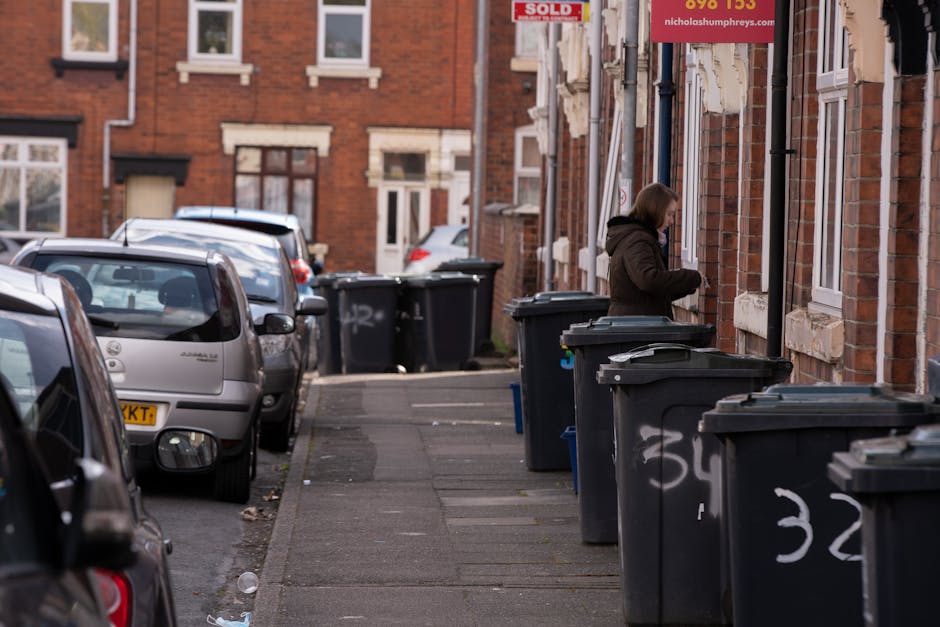
If you live in Highbury, rubbish rules can feel straightforward until the small details trip you up. One missed collection day, one badly placed bag, or one item put in the wrong bin, and suddenly you are dealing with mess, complaints, or avoidable hassle. This guide on Highbury residents what to know about Islington rubbish rules breaks everything down in plain English, so you can put waste out correctly, stay on the right side of local expectations, and keep your home or building cleaner with less stress.
To be fair, most people do not want a lecture about bins. They want to know what goes where, when to put it out, what happens with bulky rubbish, and how to avoid fines or fly-tipping problems. That is exactly what this article covers, along with practical tips for flats, houses, landlords, and anyone trying to clear space without making a nuisance of themselves.
Why Highbury residents what to know about Islington rubbish rules Matters
Waste rules matter because they affect more than a tidy pavement. In a busy area like Highbury, where terrace houses, mansion blocks, modern flats, and mixed-use streets sit close together, one person's bin mistake can become everyone else's problem very quickly. Bags left too early may attract foxes. Recycling contamination can lead to rejected collections. Oversized items dumped by the wrong gate can make a block look neglected in no time.
There is also a practical side. If you understand how the local rubbish system works, you waste less time guessing and less money correcting mistakes. You can plan clear-outs properly, separate recycling without second-guessing yourself, and avoid the odd awkward moment when your bin bags are still on the pavement at 8 a.m. and the street already smells a bit off. Not glamorous, but very real.
For residents who are moving, renovating, or settling into a new property, the rules also become part of everyday life. That is especially true if you are juggling a lease move, a flat refurbishment, or a seasonal clear-out. A sensible starting point is to understand the wider local context too; our guide to whether Highbury is a good residential area and the article on living in Highbury day to day both help frame how local routines tend to work.
How Highbury residents what to know about Islington rubbish rules Works
At a practical level, rubbish rules usually come down to four things: sorting waste correctly, putting it out at the right time, using the right container or collection point, and keeping restricted items out of general bins. That sounds simple, but the details matter.
Most households will deal with a mix of residual waste, dry mixed recycling, food waste, and occasional bulky items. Flats may have shared bins, a refuse room, or allocated collection points. Houses may have wheelie bins, sacks, or another setup depending on the property and street. The principle is always the same: put the right material in the right place, and do not leave loose rubbish where it can blow around or spill out.
If you are unsure about the broader service landscape, the site's services overview is a useful place to understand how different types of rubbish removal and collection fit together. For day-to-day household waste, the most relevant page is usually domestic waste collection in Highbury, while larger clear-outs may point you towards rubbish collection in Highbury or broader waste removal in Highbury.
One thing people often miss is that local rubbish rules are not only about the council side. Building rules matter too. In some blocks, the managing agent or freeholder adds extra expectations about bin storage, lift protection, hallway clearance, or booking loading bays. If you live in a flat, that can be the difference between a smooth collection and a mildly chaotic morning.
Key Benefits and Practical Advantages
Following rubbish rules is not just about compliance. There are real everyday benefits, and some are surprisingly obvious only after you have had the opposite experience.
- Cleaner shared spaces: Well-managed waste means less mess in communal hallways, bin stores, and pavements.
- Fewer missed collections: Sorting correctly reduces the chance of bins being left behind or returned contaminated.
- Less pest attraction: Secure disposal helps discourage foxes, rats, and crows from turning your street into a buffet.
- Better recycling performance: Clean recycling streams are easier to process and more likely to actually be recycled.
- Lower stress during clear-outs: You can deal with furniture, broken appliances, or renovation debris without panic.
There is also a quieter benefit: it makes neighbourly life easier. Nobody enjoys being the person who leaves a bag next to the wrong bin and then disappears for the weekend. In a dense area like Highbury, small habits make a noticeable difference.
If you are trying to make greener choices as well, our article on the benefits of recycling and the page on recycling and sustainability are a sensible next read. They fit naturally with the same day-to-day decisions you make about waste at home.
Who This Is For and When It Makes Sense
This topic matters to almost everyone in Highbury, but some people will feel it more strongly than others.
- Tenants in flats: Especially if you rely on shared bins or communal collection points.
- Homeowners: Useful for managing garden waste, refurb waste, and regular household rubbish.
- Landlords and letting agents: Important for keeping properties presentable between tenancies.
- Families: More waste volume, more packaging, more food waste, more opportunity for clutter to creep in.
- People moving home: A move creates a lot of "where does this go?" moments.
- Anyone clearing a loft, house, or office: Large clear-outs need a little planning, otherwise they become a pile of good intentions and old cardboard.
It makes particular sense to pay attention before a renovation, after a party, or during a seasonal tidy-up. If you have ever stood in a room full of flattened boxes, an old lamp, and a bag of mystery cables thinking, "Right, now what?", you already know why a clear plan helps.
For larger jobs, the right local support can make the process easier. Pages like house clearance in Highbury, loft clearance in Highbury, and office clearance in Highbury are relevant if the waste is too much for standard household collection.
Step-by-Step Guidance
Here is a simple way to stay aligned with local rubbish expectations without overthinking it.
- Identify the type of waste. Separate general rubbish, recycling, food waste, bulky items, electrical items, and garden or builder's waste.
- Check your bin setup. See whether your property uses communal bins, sacks, wheelie bins, or a managed refuse room.
- Follow the collection timing. Put bins out when they are meant to go out, not the night before unless that is clearly allowed.
- Secure loose items. Flatten cardboard, tie sacks properly, and keep lids shut where possible.
- Keep prohibited items separate. Batteries, liquids, gas canisters, paint, and some electricals should not be dumped casually with household rubbish.
- Arrange specialist removal when needed. For items too large or awkward for normal bins, use a proper collection route.
- Leave the area tidy after loading. Even a quick clear-up of packaging, crumbs, and loose tape makes a difference.
A practical example: if you are replacing a sofa, do not wait until the new one is in the hallway and the old one is blocking the only route out. Book removal first, clear the access path, and time the job so you are not stepping over cushions at 7 p.m. The calm version is almost always the better version.
For same-day or urgent situations, there are focused local options such as same-day rubbish removal in Highbury Fields and N5 and quick rubbish pickups in Highbury flats. Those are especially handy when the clock is against you.
Expert Tips for Better Results
A few small habits make rubbish management much easier in Highbury. The sort of thing you only really learn after doing it the hard way once or twice.
- Label boxes during a clear-out. "Donate", "recycle", "keep", and "bin" piles save time later.
- Keep recycling clean and dry. Food residue and wet cardboard are common reasons recycling becomes messy.
- Do not overfill shared bins. Lids need to close properly; otherwise, bin rooms get untidy fast.
- Use a separate bag for small electricals and batteries. Do not let them hide in a general rubbish bag.
- Book clear-outs before your deadline. If you are moving or renovating, the last 24 hours are rarely calm.
- Think about access. Narrow stairwells, permit zones, and parking restrictions can slow everything down if you ignore them.
If your rubbish is more than one person can manage safely, a professional removal service may be the better option. The waste pages on builders waste disposal, furniture disposal, and white goods and appliance disposal are useful examples of how specific waste types are handled.
And yes, sometimes the neatest solution is the least exciting one: sort it, schedule it, and remove it properly. Not exactly thrilling. But effective.

Common Mistakes to Avoid
Most rubbish problems in residential areas come from a handful of avoidable mistakes. They are small on their own. Together, they become a nuisance.
- Putting recycling in dirty bags: Contaminated recycling can be rejected or treated as general waste.
- Leaving bags out too early: This can attract pests and create complaints from neighbours.
- Ignoring bulky item rules: Sofas, mattresses, and wardrobes rarely belong next to the normal bins.
- Mixing building debris with household waste: Renovation waste needs a different approach.
- Forgetting about shared space rules: Communal blocks often have more restrictions than people expect.
- Using the wrong carrier: If waste is removed by a third party, check they are properly compliant.
Another common issue is assuming "it will be fine this time". Sometimes it is. Often it is not. A bin that should have been emptied gets left behind, or a building manager gets a complaint, and everyone ends up doing the same little clean-up twice.
If you are hiring anyone to take waste away, compliance matters. The page on waste carrier licence and compliance is worth reading because it reinforces a basic point: waste should only be moved by people who are set up to do it properly.
Tools, Resources and Recommendations
You do not need a big toolkit to manage rubbish well, but a few basics help.
- Strong bin bags: Cheap bags split at the worst moment, usually halfway down the stairs.
- Marker pen: Great for labelling boxes and sorting items during clear-outs.
- Reusable tote or crates: Helpful for moving smaller items to recycling points or donations.
- Measuring tape: Handy if you are checking whether furniture will fit out of a flat before booking removal.
- Phone reminders: Useful for collection days, especially if your schedule is busy.
For a broader overview of practical services, pricing and quotes helps with budgeting, while about us gives background on the business approach and standards. If you are comparing disposal paths, furniture removal and garden waste removal can also point you in the right direction depending on the job.
For everyday domestic waste, the simplest option is often the right one: make sure your regular collection habits are tidy, and only escalate to specialist removal when the items genuinely need it.
Law, Compliance, Standards, or Best Practice
Waste handling sits in a space where common sense, local rules, and legal obligations all overlap. You do not need to memorise legislation to behave correctly, but you should understand the basic responsibilities.
In plain terms, households should present waste in the way the collection service expects, and anyone carrying waste away commercially should be able to demonstrate they are operating legitimately. That usually means proper documentation, appropriate handling, and sensible disposal routes. If you use a third party, it is wise to ask whether they are compliant and insured. Nothing dramatic, just sensible due diligence.
Best practice also means separating recyclable materials where local guidance asks for it, keeping hazardous items out of ordinary waste, and not putting out items in a way that creates a hazard for pedestrians or building staff. In flats, this extends to shared spaces. A blocked fire exit or a rubbish pile in a corridor is not just untidy; it can become a safety issue.
For residents who want reassurance around provider standards, the pages on insurance and safety and terms and conditions are useful because they show the kinds of practical protections that matter before any collection is booked.
Truth be told, most problems are avoidable when everyone treats rubbish as part of household upkeep rather than an afterthought. A bit of care goes a long way.
Options, Methods, or Comparison Table
Different waste situations call for different approaches. Here is a simple comparison that helps residents decide what makes sense.
| Method | Best for | Pros | Watch out for |
|---|---|---|---|
| Standard household collection | Regular weekly rubbish and recycling | Simple, familiar, low effort | Must be sorted correctly and put out on time |
| Specialist rubbish collection | Bulky, awkward, or mixed waste | Convenient and quicker for bigger jobs | Need to confirm what can be taken and how it is priced |
| DIY tip run | People with transport and time | Flexible, may suit one-off loads | Parking, loading, and sorting can be time-consuming |
| Managed clear-out service | House, loft, office, or probate-type clearances | Less lifting, less stress, better for big volumes | May require access planning and a clearer brief |
If you are weighing up methods because you have a lot to clear, the page on Highbury waste removal costs and what to expect in 2026 is useful for setting expectations without overcommitting too early.
Case Study or Real-World Example
Picture a Highbury flat at the end of a tenancy. There is a broken bedside table, two black sacks of mixed rubbish, a stack of flattened boxes, and an old microwave that has been sitting under the counter for months. The tenant is moving on Friday, keys are due back at lunchtime, and the hallway is already busy with another resident coming in and out with shopping bags. Not ideal.
Instead of shoving everything into the communal bin store and hoping for the best, the tenant separates the recycling, checks what can be left for the normal collection, and books a removal for the bulky and electrical items. The boxes go into recycling. The broken furniture goes in a dedicated furniture disposal route. The microwave gets handled as a separate appliance item. The result is simple: no pile-up, no awkward complaint, and no last-minute panic on moving day.
That is the real point of understanding rubbish rules. It is not about perfection. It is about making an ordinary job less messy, less rushed, and less likely to trigger avoidable hassle. Small win, but a meaningful one.
Practical Checklist
Use this quick checklist before putting rubbish out or booking a collection.
- Have I separated recycling from general waste?
- Are food scraps, liquids, or dirty materials kept out of recycling?
- Is my waste being placed in the correct bin or collection point?
- Do I know the collection day and the right time to put it out?
- Have I checked building rules for communal areas or bin stores?
- Am I dealing with bulky, electrical, garden, or builder's waste that needs a separate plan?
- Have I avoided overfilling sacks or leaving loose rubbish outside?
- If I am using a waste carrier, are they properly compliant and insured?
- Have I kept access routes clear for neighbours and collection crews?
- Do I have a sensible backup if collection timing changes?
If you can tick most of those off, you are probably doing fine. If not, no drama. It just means the next collection will go more smoothly than the last one.
Get a free quote today and see how much you can save.
Conclusion
Highbury rubbish rules are not really about making life harder. They are there to keep streets cleaner, bins usable, and shared spaces manageable in a neighbourhood where people live close together and life moves quickly. Once you understand the basics, the whole thing becomes much less fiddly.
Whether you are a tenant, homeowner, landlord, or someone tackling a long-overdue clear-out, the smart approach is the same: sort carefully, put waste out properly, and choose the right removal option when the job is bigger than the weekly bin can handle. A little structure now saves a lot of mess later. And honestly, that is enough for most of us.
Keep it simple, keep it tidy, and let the process work for you instead of against you.