Drayton Park bulky waste jobs before and after case study
Posted on 19/09/2026
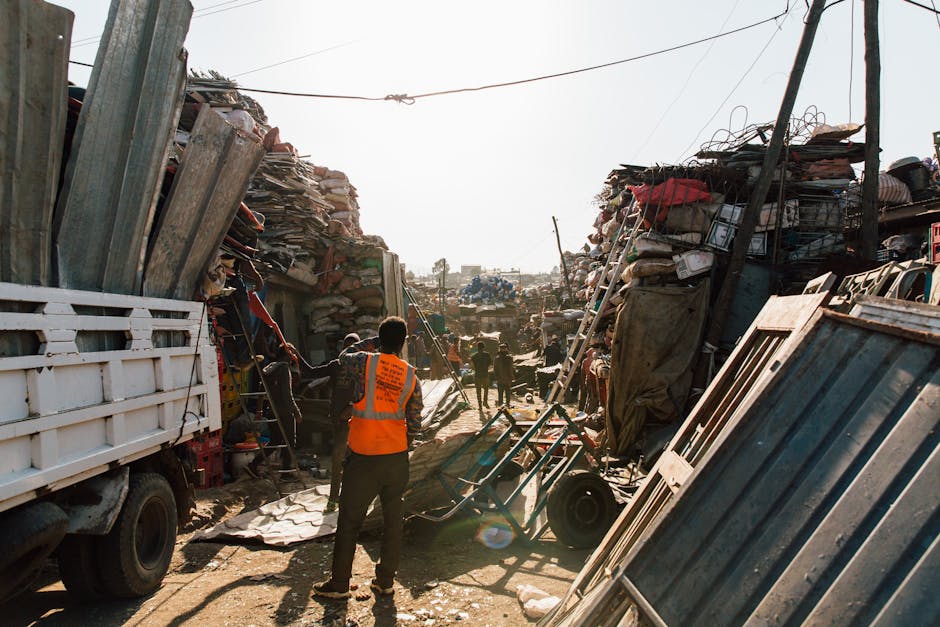
If you're trying to understand what a Drayton Park bulky waste jobs before and after case study actually looks like in real life, you're in the right place. Most people don't want theory; they want to know how a bulky waste clear-out changes a space, what gets moved, what can go wrong, and what a good result really looks like once the truck has gone and the dust has settled. That is exactly what this guide covers.
Drayton Park, like much of North London, has a mix of flats, terraces, converted buildings, and tight access points. That makes bulky waste jobs a bit more involved than a simple "load and leave" task. A proper before-and-after approach helps you see the difference between a cluttered, awkward job and a tidy, efficient one that respects the property, the neighbours, and the waste stream. Let's walk through it properly.
In practice, a good bulky waste clearance is not only about removing items. It is about planning the route, sorting the load, protecting surfaces, and leaving the area safer and more usable than before. And yes, the before and after photos matter, but the real value is in the process behind them.
- Why this case study matters
- How the process works
- Key benefits and practical advantages
- Who needs this service and when it makes sense
- Step-by-step guidance
- Expert tips for better results
- Common mistakes to avoid
- Tools, resources and recommendations
- Law, compliance and best practice
- Options and comparison table
- Case study and real-world example
- Practical checklist
- Conclusion
- Frequently asked questions
Why Drayton Park bulky waste jobs before and after case study Matters
A before-and-after case study gives you something a sales page usually cannot: context. It shows what the room, hallway, garden, or storage area looked like before the work started, what the team had to navigate, and what changed once the bulky items were removed. That matters because bulky waste jobs can look deceptively simple from the outside.
Truth be told, a sofa, mattress, wardrobe, old desk, broken exercise bike, and a few builders' offcuts can turn into a surprisingly awkward job if they are on the third floor, down a narrow stairwell, or sitting in a shared entrance with limited parking. In Drayton Park, that sort of thing is not unusual. Access can be tight, lifts can be small, and neighbours are often close by. So the before-and-after view is not just visual proof. It is a sign of operational care.
It also helps you judge whether a waste removal provider has thought beyond the collection itself. Did they protect the walls? Did they separate reusable items where possible? Did they leave the space swept and usable? Those little details are what turn a basic collection into a genuinely useful service.
Expert summary: A strong bulky waste job should feel calm, planned, and tidy from start to finish. The best before-and-after results are usually the ones where the hard work happened quietly in the background.
And let's face it, nobody wants to pay for "clearance" only to be left with scratched skirting boards and a half-empty room that still feels chaotic. The before-and-after case study is useful because it makes standards visible. You can actually see the difference.
How Drayton Park bulky waste jobs before and after case study Works
The process usually begins with a quick assessment. This may happen over the phone, by message, or during an on-site visit if the job is more complex. The goal is to understand what needs removing, where it is located, and whether there are access issues, parking restrictions, or items that need special handling.
From there, the job is planned in a practical sequence:
- Pre-clearance review - identifying bulky items, volume, access, and any fragile surroundings.
- Preparation - making pathways clear, protecting floors where needed, and confirming how items should be moved.
- Removal - carrying, lifting, or dismantling items safely and efficiently.
- Sorting - separating reusable, recyclable, and general waste where possible.
- Final tidy-up - sweeping, checking the area, and making sure nothing has been left behind.
The "before" part of the case study usually shows clutter, blocked access, or a space that has become hard to use. The "after" result should show a clearer room, an uncluttered pathway, and a more functional area. Sometimes that means a spare room becomes usable again. Sometimes it simply means a hallway stops feeling like an obstacle course. Small victory, but a real one.
In a local setting like Drayton Park, timing can matter too. Morning collections may be easier if neighbours are out, parking is less pressured, and the property team wants the space back quickly. Afternoon jobs sometimes suit residents who need time to sort what stays and what goes. The best operators work around those realities instead of pretending every property behaves the same.
Key Benefits and Practical Advantages
A well-managed bulky waste job delivers more than a clear floor. It can reduce stress, improve safety, and help people make better use of their homes or business spaces. The visible transformation is the obvious bit. The practical gains often go further.
Here are the main advantages:
- More usable space - rooms, hallways, and storage areas become functional again.
- Safer movement - fewer trip hazards and clearer access routes.
- Better presentation - useful if you are selling, letting, refurbishing, or welcoming clients.
- Less stress - bulky items are the sort of thing people put off, sometimes for months.
- Cleaner separation of waste - a considered service often supports recycling and responsible disposal.
- Time saved - no hiring a van, no multiple trips, no guessing whether everything will fit.
There is also a quiet benefit that people overlook: momentum. Once the bulky items are gone, the rest of the space suddenly feels manageable. You notice the wall you want to paint, the floor you want to clean, the shelf you can finally install. It's odd how one cleared room can nudge a whole project forward.
For businesses, the advantage can be even more direct. A tidier back office, stockroom, or customer area usually means fewer interruptions and a better first impression. For households, it can mean getting a spare room back before guests arrive or making space for a growing family. Simple, but meaningful.
Who This Is For and When It Makes Sense
This type of bulky waste job suits people who need a reliable, tidy removal of large items without turning the day into a logistics puzzle. That includes residents, landlords, letting agents, shop owners, office managers, and tradespeople finishing a job where larger waste has built up.
It often makes sense when you are dealing with:
- old furniture that cannot be reused in the home
- broken appliances or white goods
- garden furniture and outdoor clutter
- loft or basement items that have been stored for years
- office furniture, shelving, or desks
- post-renovation bulky leftovers
It can also be the sensible choice when access is awkward. If you live in a flat with narrow stairs, if parking is limited, or if you simply do not want to wrestle with a heavy item in the rain, the service becomes less of a luxury and more of a practical solution. To be fair, nobody dreams of dragging a wardrobe down a stairwell at 7am.
If you are deciding whether to keep, donate, repair, or remove something, a bulky waste job works best after a short sort-out phase. A little decision-making up front saves time later. Ask yourself: is this item genuinely useful, or am I just storing it because it feels wasteful to let go? That question alone clears a surprising amount of clutter.
Step-by-Step Guidance
If you want a smoother before-and-after outcome, the job should be handled in clear stages. The exact sequence may vary, but a good framework looks like this.
- List the items clearly
Write down or photograph everything that needs removing. Be specific. "One sofa" is helpful; "large three-seater sofa with loose armrest" is better. - Check access
Think about stairs, lifts, narrow doors, shared corridors, and where the vehicle will stop. In Drayton Park, access can make or break the timing of the job. - Separate keep, donate, recycle, and dispose
This reduces mistakes on the day and can save time. You do not want to be making big decisions with items stacked in the hallway. - Prepare the area
Move small items out of the route, open doors if needed, and protect surfaces if the item is heavy or awkward. - Confirm the handover point
Make sure everyone knows where the team can park, which entrance to use, and whether keys, codes, or concierge access are needed. - Let the team remove and sort safely
Good lifting practice matters. So does speed, but not at the cost of bumping walls or rushing through tight areas. - Review the after result
Check the area once the job is complete. Look for missed items, damage, or anything that needs a final sweep or wipe-down.
A useful tip: take "before" photos yourself if you are comparing outcomes, planning a property listing, or tracking a landlord refresh. They are handy for records, and they make the after result more satisfying. Sometimes the difference is more dramatic than you remember.
Expert Tips for Better Results
Over time, the best bulky waste jobs tend to follow the same quiet principles. Nothing flashy. Just good preparation and a few smart decisions.
1. Measure before you move
Doors, stair corners, lift openings, and hallway widths can all matter. A sofa that looks manageable in a room can become a problem at the turn of a staircase. It happens more than people expect.
2. Don't mix decision-making with lifting
If possible, make all keep-or-remove decisions before the team arrives. That saves time and lowers the chance of someone accidentally taking the wrong thing. A very ordinary mistake, but an annoying one.
3. Separate specialist items early
Mattresses, electrical appliances, and items with awkward fixings can need different handling from standard bulky furniture. Knowing this ahead of time makes the job smoother.
4. Think in routes, not just piles
A pile of waste is one thing. A route through a building is another. Clearing the path often matters just as much as clearing the items themselves.
5. Ask about sorting and reuse
Some items can be kept out of the general waste stream if they are suitable for recycling or reuse. If you care about reducing waste, this is worth discussing early.
6. Keep neighbours in mind
This is especially true in shared buildings. A tidy, quick, polite job usually avoids friction. Nobody wants a bulky waste job to become a talking point in the stairwell, honestly.
And one more thing: if the job feels more complicated than expected, that is normal. It does not mean anything is wrong. It usually just means the property is behaving like a real property, which is to say, a bit awkward.

Common Mistakes to Avoid
A lot of bulky waste problems are preventable. Most are not dramatic. They are just little oversights that become inconvenient once the job is underway.
- Not measuring large items - especially sofas, wardrobes, bed frames, and appliances.
- Leaving access planning too late - parking, lifts, and building entry can take more thought than people expect.
- Assuming all waste is the same - some items need special handling or separation.
- Forgetting building rules - shared blocks often have procedures that should be respected.
- Ignoring floor and wall protection - one scrape in a narrow hallway can sour an otherwise good job.
- Choosing only by price - cheaper is not always better if the job becomes slower or messier.
- Not confirming what happens to the waste - if responsible disposal matters to you, ask about sorting and transfer practices.
One of the most common issues, to be fair, is poor communication. A client thinks a job is straightforward. The crew arrives and discovers three flights of stairs, a locked gate, and an extra pile in the garden. That sort of mismatch slows everyone down. So, clear details matter.
If you only remember one thing here, make it this: what is clear before the job is usually tidy during the job.
Tools, Resources and Recommendations
Choosing the right support for a bulky waste job is not only about muscle. It is about the right tools, the right vehicle, and the right approach to sorting. Good teams usually arrive with the basics covered.
Useful tools and practices often include:
- protective gloves and suitable lifting gear
- blankets or covers for surface protection
- straps or trolleys for heavy items
- bags or containers for smaller loose waste
- a clear route from the item to the vehicle
- basic dismantling tools for bulky furniture
For broader planning, it helps to look at a provider's wider services too. For example, if your bulky waste job is part of a bigger house reset, you might also need help with house clearance in Highbury or furniture removal. If the job includes old appliances, the page on white goods and appliance disposal can be useful as a starting point.
If you are comparing wider waste services, it is worth reviewing the services overview and the section on waste carrier licence and compliance. These pages help you understand what a responsible provider should be able to explain in plain English.
And if your main concern is budget, it is sensible to look at pricing and quotes before you book. A good quote should make the scope clear rather than leaving you guessing. That is usually the difference between a smooth job and one of those slightly irritating "oh, we didn't realise" moments.
Law, Compliance, Standards, or Best Practice
For bulky waste jobs in London, compliance is not something to leave until the end. You do not need to become a waste-law expert, but you should expect the provider to work responsibly and explain how waste is handled.
Best practice usually includes:
- using a properly authorised waste carrier
- keeping clear records for collections where appropriate
- sorting reusable and recyclable material where practical
- handling electrical items and other specialist waste carefully
- avoiding fly-tipping, shortcut disposal, or vague collection promises
If a provider cannot explain how they handle waste after collection, that is a warning sign. Not always a deal-breaker, but it should make you pause. Responsible disposal protects you too, because once waste leaves your property, you still want confidence that it is being dealt with properly.
For local jobs, planning around access and parking also matters. In some cases, it may be sensible to check borough guidance or building rules before the day of collection. Keep it simple. The aim is not paperwork for its own sake; it is avoiding delays, complaints, or a wasted visit.
Safety is part of compliance as well. Heavy items can injure people if they are moved badly. Narrow staircases, damp thresholds, and awkward corners are all obvious trip points. A careful team will slow down where needed. That is not inefficiency. That is competence.
Options, Methods, or Comparison Table
If you are weighing up how to clear bulky waste, the main options usually fall into a few buckets. The best choice depends on time, access, item size, and how much work you want to do yourself.
| Method | Best for | Pros | Watch-outs |
|---|---|---|---|
| Professional bulky waste removal | Heavy, awkward, or time-sensitive jobs | Fast, less physical effort, usually tidy and organised | Needs clear access details and a proper quote |
| Self-haul to a facility | Smaller loads and people with a suitable vehicle | Can work well for straightforward waste | Time, lifting, fuel, and disposal logistics are on you |
| Multiple council or collection arrangements | Limited items and non-urgent timing | Can suit some household clear-outs | May be slower and less flexible for bulkier or mixed items |
| DIY sorting before removal | People who want to maximise reuse and organisation | Very useful before a larger clearance | Takes time and planning; not a complete solution by itself |
The most practical approach for many Drayton Park properties is a hybrid one: sort first, then book a clear removal plan. That way, you are not paying for decisions you could have made in advance. Simple enough, but it makes a big difference.
Case Study or Real-World Example
Here is a realistic example of how a before-and-after bulky waste job can unfold in Drayton Park.
Before: A one-bedroom flat had accumulated a broken wardrobe, a mattress, a disassembled bed frame, two office chairs, and several bags of mixed clutter after a move. The hallway was narrow, the lift was small, and the building had limited parking nearby. The resident had been postponing the job for weeks because the items felt awkward rather than impossible.
What the team did: They confirmed access first, then grouped the items for removal in a way that reduced back-and-forth. The wardrobe was dismantled enough to make it easier to move without damaging the stairwell. Protective care was used in the tighter parts of the route. Smaller loose waste was collected at the same time so the resident didn't have to organise another visit later.
After: The hallway was clear, the bedroom could be used again, and the resident had space to set up a desk and storage properly. The visual difference was obvious, but the real win was how normal the flat felt again. Not flashy. Just calmer. And that calm matters, especially after a move or a renovation.
That kind of case study shows why before-and-after documentation is useful. The "before" is not there to shame the mess. It is there to show the scale of the problem. The "after" shows the benefit of a clean, disciplined process.
One small human detail: the resident said the cleared hallway made the place feel less like a storage unit and more like a home again. That is the sort of thing that sticks with people, because it is true.
Practical Checklist
Use this checklist before booking or starting a bulky waste job in Drayton Park.
- List every bulky item to be removed.
- Take photos of the items and the access route.
- Measure doorways, stairs, and lifts if the items are large.
- Separate what stays, what goes, and what might be reused.
- Check parking and building access arrangements.
- Remove small obstacles from the route.
- Ask how reusable and recyclable items will be handled.
- Confirm whether dismantling is needed.
- Check the provider's waste compliance information.
- Walk through the space after the job is complete.
If you want an easier day, do the sorting the night before. It sounds obvious, but that one step can save a lot of faffing around in the morning.
Get a free quote today and see how much you can save.
Conclusion
A Drayton Park bulky waste jobs before and after case study is useful because it shows the full picture: the mess, the access challenges, the planning, and the finished result. That is what people actually need before they book. Not vague promises. Real-world clarity.
If you are dealing with heavy furniture, old appliances, or a stack of items that has quietly taken over a room, the best next step is simple: assess the job properly, sort what you can, and choose a provider that handles both the removal and the responsibility around it. The difference between "before" and "after" is often bigger than people expect. Sometimes, a lot bigger.
And once the space is clear, you'll feel it straight away. The room breathes a bit easier. So do you.